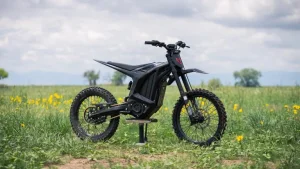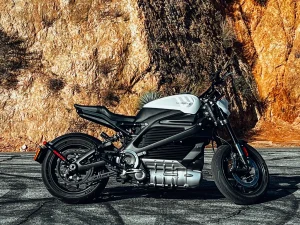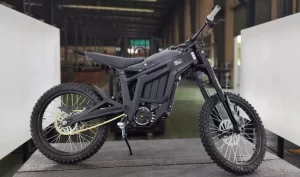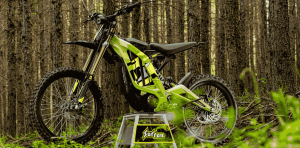

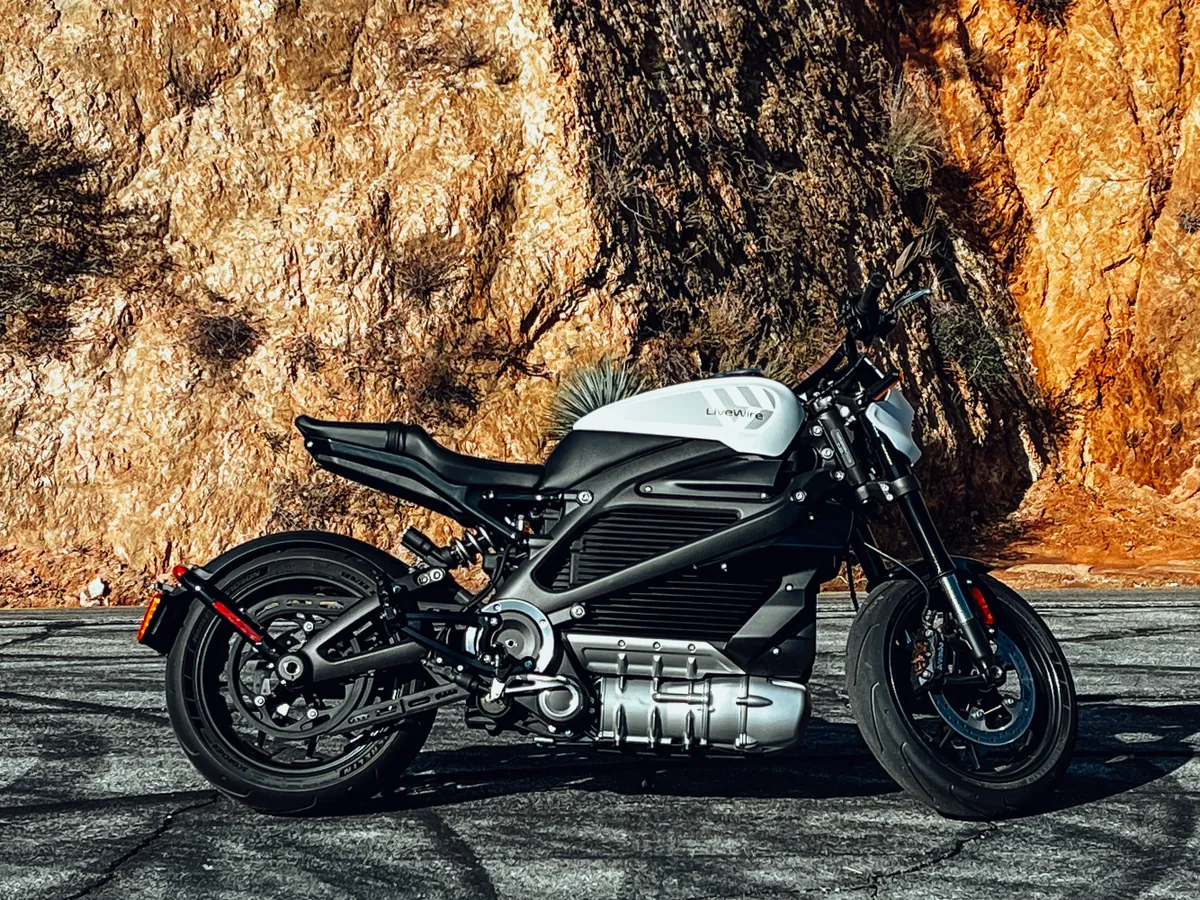
Yes, electric bikes are worth it for most people, especially those looking for a cost-effective, eco-friendly, and convenient mode of transport. They reduce commuting time, lower fuel expenses, and make cycling accessible to a wider range of riders by providing pedal assistance.
An electric bike, often referred to as an e-bike, is essentially a traditional bicycle enhanced with an electric motor and battery system designed to assist with pedalling. At first glance, it looks just like a standard bike, but the real magic lies in the subtle push it gives you when you need it most. Imagine cycling uphill without that burning sensation in your legs or cruising long distances without arriving drenched in sweat, that’s what an e-bike offers.
Unlike scooters or motorcycles, electric bikes still require human input. The motor doesn’t completely take over; instead, it amplifies your effort. This is what makes them incredibly appealing to a wide range of users, from commuters and fitness enthusiasts to older riders looking for a more manageable cycling experience.
In the UK and many other countries, most e-bikes are limited to a speed of around 15.5 mph (25 km/h) with motor assistance, ensuring they remain safe and road-legal without requiring a licence. This balance between manual effort and electric assistance makes them feel natural yet powerful.
The growing popularity of e-bikes isn’t accidental. Rising fuel costs, environmental awareness, and congested urban roads have pushed many people to rethink how they travel. Electric bikes have stepped in as a practical, eco-friendly alternative that blends convenience with sustainability.
Understanding how e-bikes function can help you decide whether they are truly worth the investment. At their core, electric bikes consist of three key components: the motor, the battery, and the controller. Each plays a vital role in delivering that smooth, assisted ride.
The motor is usually located in the hub of the wheel or near the pedals. It activates when you start pedalling, providing additional power that makes cycling easier and more efficient. Some advanced models even include torque sensors, which adjust the level of assistance based on how hard you pedal. This creates a seamless riding experience that feels intuitive rather than mechanical.
The battery is another crucial element. Most modern e-bikes use lithium-ion batteries, known for their durability and efficiency. Depending on the model, a single charge can last anywhere from 20 to 100 miles. Charging typically takes a few hours, making it easy to power up overnight or during work hours.
The controller acts as the brain of the system. It allows you to adjust settings, switch between assistance levels, and monitor battery life. Some high-end models even feature smartphone connectivity, adding another layer of convenience.
When all these components work together, the result is a riding experience that feels effortless yet engaging. It’s not about replacing cycling, it’s about enhancing it.

Commuter e-bikes are designed with practicality in mind. If you’re someone who battles traffic every morning or spends a fortune on public transport, these bikes can completely change your daily routine. They typically come equipped with features like mudguards, lights, racks, and comfortable seating, making them ideal for urban environments.
The beauty of commuter e-bikes lies in their efficiency. You can glide through traffic, take shortcuts through bike lanes, and avoid the stress of parking altogether. Over time, this convenience translates into significant time savings and reduced commuting costs.
Many brands, including options like Moto e Bikes, focus heavily on designing commuter-friendly models that balance comfort, durability, and affordability. These bikes are built to withstand daily use while providing a smooth and reliable ride.
For those who crave adventure, mountain e-bikes open up a whole new world of possibilities. These bikes are built to handle rough terrains, steep climbs, and challenging trails that would be exhausting on a traditional bike.
With powerful motors and robust suspension systems, off-road e-bikes allow riders to tackle difficult landscapes with confidence. They don’t eliminate the physical effort but make it far more manageable, enabling longer rides and greater exploration.
This category is particularly appealing to thrill-seekers and outdoor enthusiasts who want to push their limits without being held back by physical fatigue.
Folding e-bikes are all about convenience and portability. If you live in a small flat or need to combine cycling with public transport, these bikes are a game-changer.
They can be easily folded and stored under a desk, in a cupboard, or even carried onto a train. Despite their compact design, many folding e-bikes still offer impressive performance and battery life.
Their versatility makes them ideal for city dwellers who need a flexible and space-saving transportation solution.
One of the most compelling arguments in favour of electric bikes is the potential for long-term cost savings. While the upfront price may seem steep, the ongoing expenses are significantly lower compared to cars or even public transport.
Think about it, no fuel costs, minimal maintenance, and no parking fees. Over a year, these savings can add up to hundreds or even thousands of pounds. In fact, studies suggest that e-bike users can reduce commuting costs by up to 70% compared to car owners.
Additionally, government incentives and subsidies in some regions make e-bikes even more affordable. When you factor in these savings, the initial investment starts to look far more reasonable.
Electric bikes are often hailed as a greener alternative to traditional transport, and for good reason. They produce zero emissions during use, helping to reduce air pollution and carbon footprints.
With climate change becoming an increasingly urgent issue, many people are actively seeking ways to make more sustainable choices. Switching to an e-bike is a simple yet impactful step in the right direction.
Compared to cars, e-bikes consume significantly less energy and require fewer resources to manufacture. This makes them one of the most eco-friendly transportation options available today.
There’s a common misconception that electric bikes eliminate exercise, but that couldn’t be further from the truth. In reality, they encourage more frequent and longer rides, leading to improved overall fitness.
Because the motor assists rather than replaces your effort, you still engage your muscles and cardiovascular system. This makes e-bikes particularly beneficial for people who may find traditional cycling too strenuous.
They also lower the barrier to entry for fitness, making cycling accessible to older adults, beginners, and those recovering from injuries.
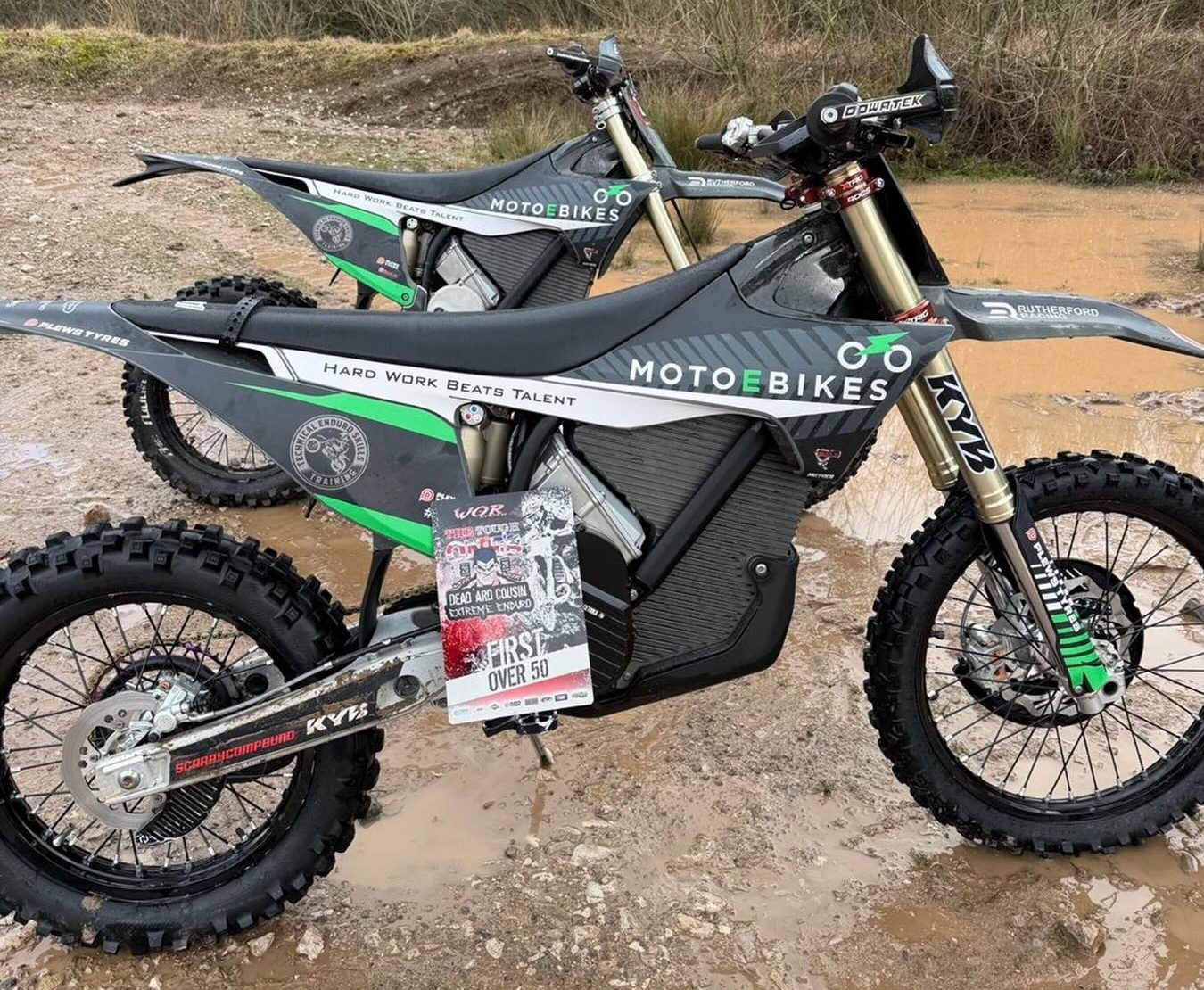
Let’s address the elephant in the room, electric bikes are not cheap. A decent model can cost anywhere between £800 and £3,000 or more. For many people, this upfront cost can be a significant barrier.
However, it’s important to look at the bigger picture. When compared to the long-term expenses of owning a car, the investment becomes far more justifiable.
Still, if you’re on a tight budget, the initial price tag can be difficult to overlook.
While e-bikes generally require less maintenance than cars, they are more complex than traditional bicycles. Components like the motor and battery may need occasional servicing or replacement.
Battery life is another factor to consider. Most batteries last between 3 and 5 years, and replacing them can be costly. Proper care and regular charging can extend their lifespan, but it’s still an added expense.
When it comes to performance, electric bikes clearly have the upper hand in certain areas. They make uphill climbs easier, reduce fatigue, and allow for longer rides without exhaustion.
However, traditional bikes still have their advantages. They are lighter, simpler, and require less maintenance. For short distances or fitness-focused cycling, a standard bike may still be the better option.
Ultimately, the choice depends on your specific needs and lifestyle.
Feature | Electric Bike | Traditional Bike |
Initial Cost | High (£800–£3000+) | Low (£200–£1000) |
Maintenance | Moderate | Low |
Running Costs | Very Low | Minimal |
Effort Required | Low to Moderate | High |
Range | 20–100 miles | Unlimited |
For urban commuters, electric bikes can be a complete game-changer. They help you avoid traffic, reduce travel time, and eliminate the stress of crowded public transport. In cities where distances are moderate and infrastructure supports cycling, e-bikes shine.
In rural areas, the benefits depend more on distance and terrain. If you’re dealing with long stretches of road or steep hills, an e-bike can make commuting far more manageable. However, limited charging infrastructure and longer travel distances can sometimes pose challenges.
Electric bikes are perfect for a wide range of people. If you commute daily, want to reduce your carbon footprint, or enjoy cycling without excessive strain, an e-bike could be a great fit.
They’re also ideal for older adults or those with physical limitations who still want to stay active.
If you’re an avid cyclist who enjoys intense physical workouts, an e-bike might not offer the challenge you’re looking for. Similarly, if your budget is very limited, the initial cost could outweigh the benefits.
Yes, electric bikes are worth it, but only if they align with your lifestyle, budget, and needs. They offer a powerful combination of convenience, sustainability, and cost savings that is hard to ignore.
For commuters, they can transform daily travel. For fitness enthusiasts, they provide a more accessible way to stay active. And for environmentally conscious individuals, they represent a towards greener living.
At the same time, they are not a one-size-fits-all solution. The upfront cost and maintenance considerations mean they require careful thought before purchasing.